
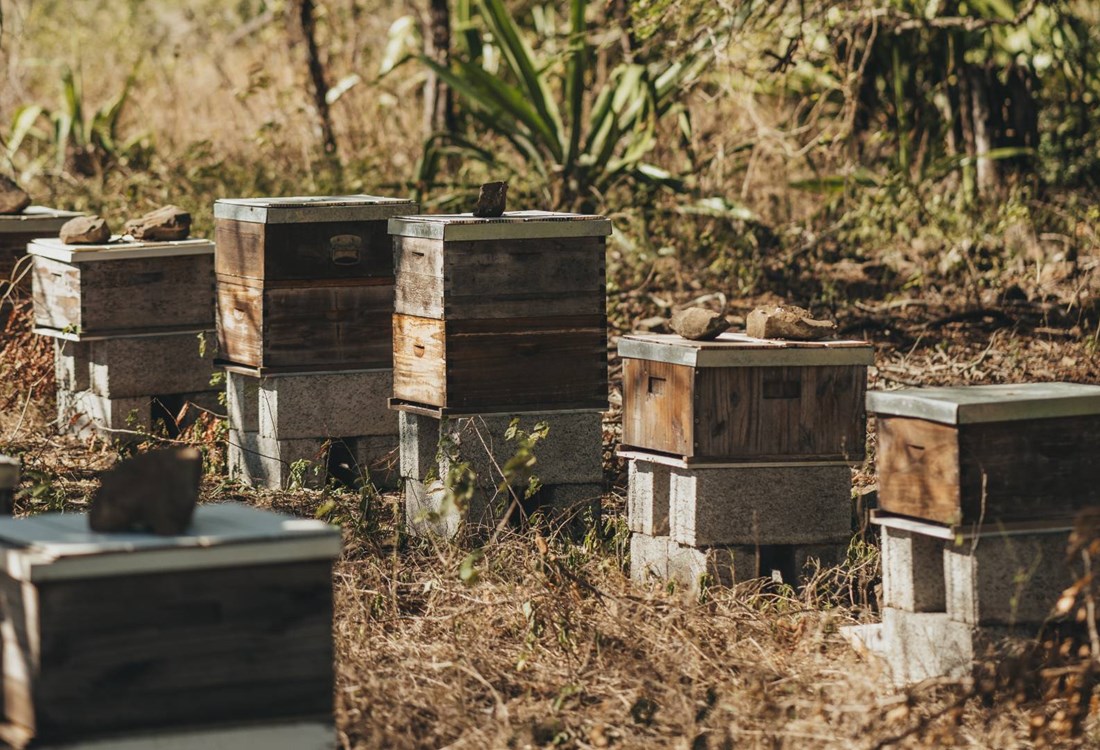
At the foot of Mauritius' highest mountain, where land meets sea, lies the rustic fishing village of Case Noyale. One of the few places on the island that has preserved its authenticity over centuries, it remains relatively unchanged, nurturing wild flora and fauna, including coffee and, less known to many, honey.
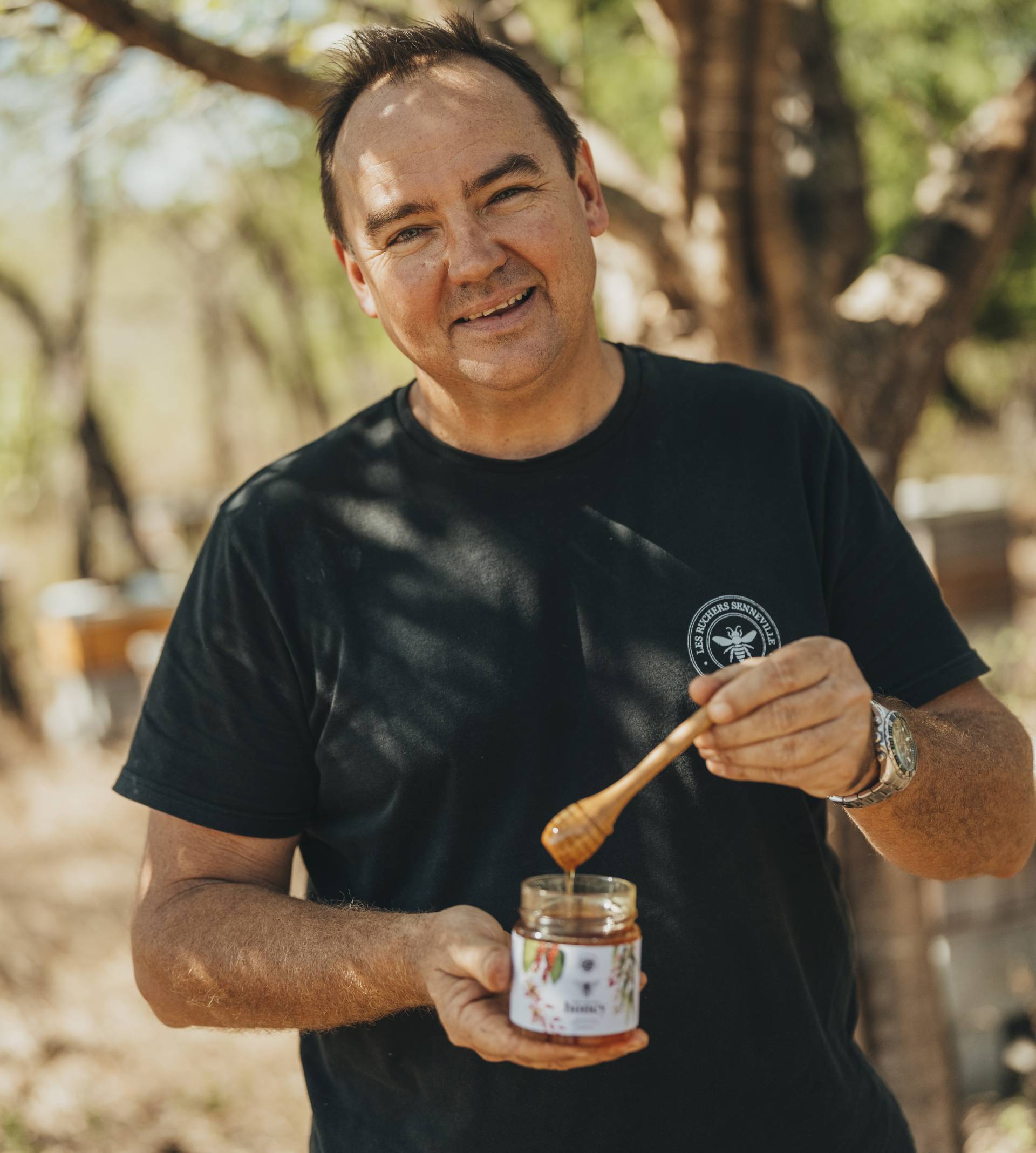
Etienne de Senneville, a dedicated beekeeper, shares his passion for producing honey of exceptional quality. This collaboration aligns with our sustainable development commitments under the "Now for Tomorrow" program, promoting a circular economy, local talents and artisans, and a thriving, rich biodiversity.
A Tale of Honey
Beekeeping is more than a profession; it's an art passed down through generations. While bees play a crucial role in maintaining biodiversity, beekeeping requires unique expertise. Devotion and commitment are essential to achieving a balance that can withstand numerous environmental variables. Etienne, who has mastered this art to perfection, explains this delicate process.
Nestled amidst Case Noyale's rich flora and fauna, the bees freely forage a wide variety of plants and flowers with unique and rich flavours. With 100 hives, each housing 45,000 bees, a colony of 4.5 million bees works tirelessly on pollination and maintaining the natural balance.
Bees: Indispensable Workers of Our Ecosystem
While many are aware of bees' vital importance to our planet, few truly understand how indispensable they are in preserving the balance of life and biodiversity in our delicate ecosystem. Scientists estimate that bees alone ensure the pollination of one-third of the global food supply. A wide variety of fruits, vegetables, nuts, livestock feed, and even fibers like cotton directly depend on bees for pollination and reproduction.
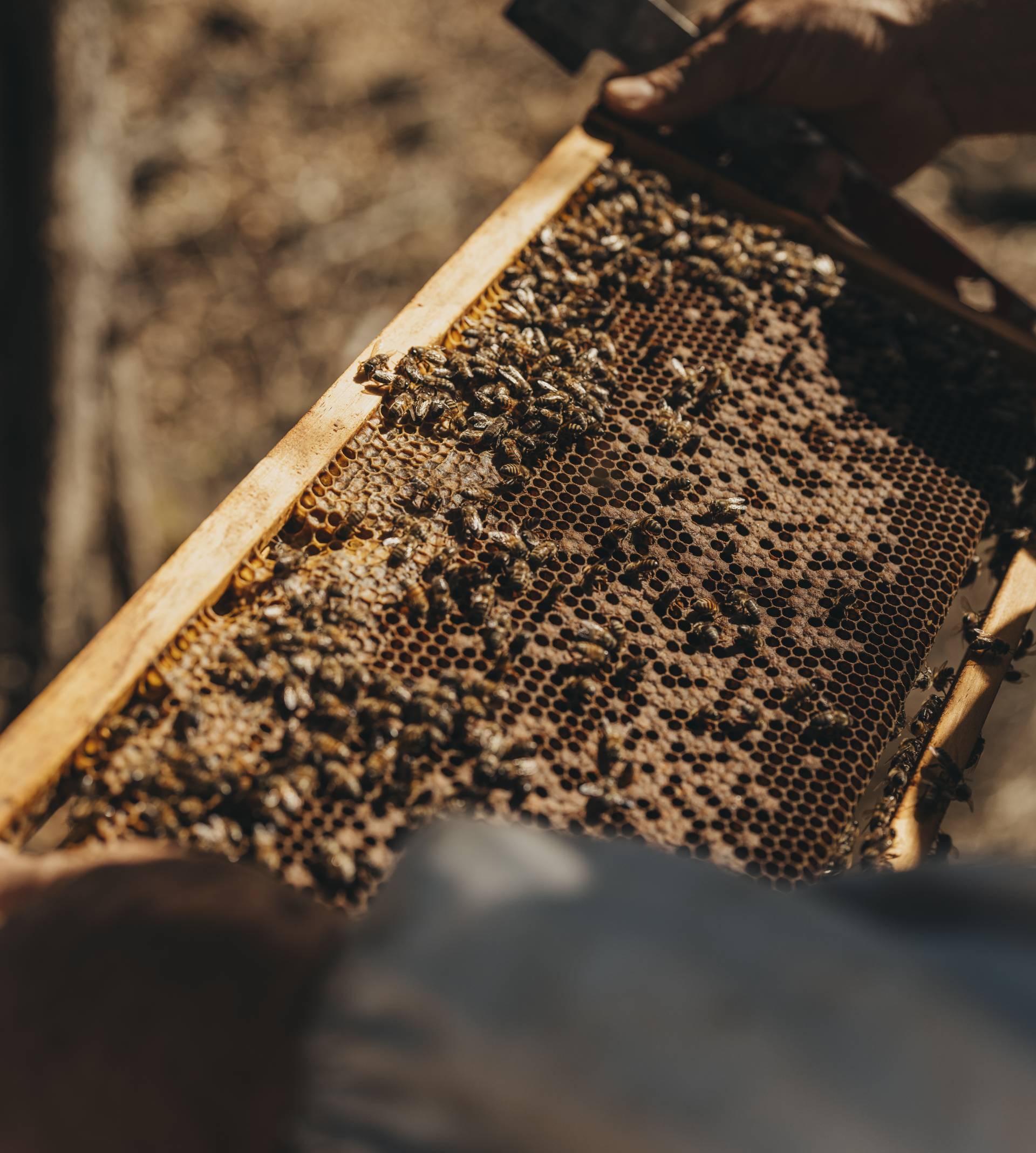
To produce one kilogram of honey, no fewer than 4 million flowers are visited. A single bee can visit between 50 and 100 flowers per trip, making an average of 30 trips in a single day. This meticulous work results in high-quality honey.
An Artisanal Process
Beyond supporting our ecosystem, this practice fosters a dynamic community promoting economic and social growth. Each step of the process, from harvesting to extraction and bottling, creates job opportunities.
As the seasons change, so does the region's flora, giving rise to unique flavour combinations: eucalyptus, tamarind, and pink pepper, along with the rich biodiversity and native flowers of our region.
A Nectar of Exception
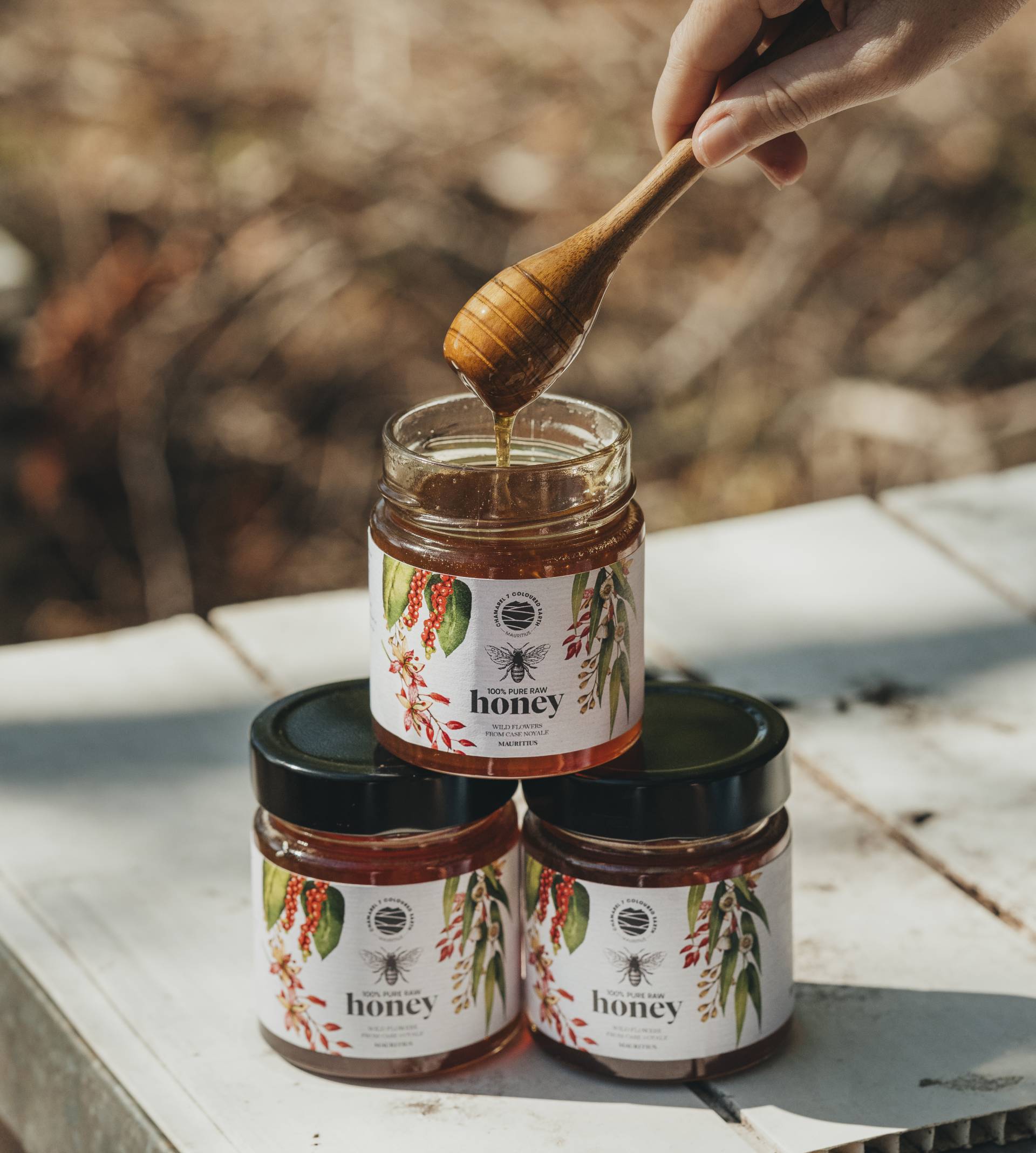
Once artisanally extracted, this honey transforms into a nectar with numerous benefits. Its antioxidant and antibacterial properties, coupled with its role as a natural energy source, help strengthen the immune system. This product is an integral part of our operations and daily life, especially through the excellence of our chefs who elevate it in their culinary creations.
It’s also a product to discover in the souvenir shops of Chamarel's Seven Coloured Earth. A gift to take home, savour, and explore its unique flavors.